
If you’ve browsed my website, you’ll notice that nearly every project I’ve shared has been made using recycled or salvaged materials. This approach has allowed me to continue my hobby without spending much on supplies—an essential trick if you love woodworking or DIY but need to stick to a budget. In this post, I’ll show you exactly how to get your DIY materials for free so you can build more for less.
I started woodworking in 2012, with zero formal training. Between my husband and son, we already had a shed full of unused tools. My lack of skill kept me limited to simple projects because I was afraid to waste expensive timber. Let’s face it, wood is pricey.
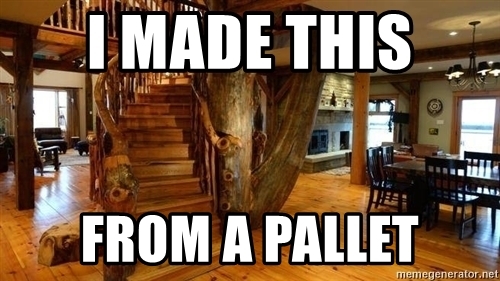
That’s when I started searching for free furniture to restore. The freedom of working with free materials gave me the confidence to try new techniques. If something didn’t work, I just changed direction or repurposed the wood. Over the years, I’ve barely spent anything on materials. In fact, a meme trolling one of my earlier projects inspired me to write this guide on how to get your DIY materials for free, to show that not everything made from recycled materials is junk.
Before we dive into this tutorial, be sure to subscribe to my bimonthly newsletter to be the first to see my latest projects. You can also follow me on Pinterest and Facebook where I also include my unique mixed-media art projects
How to get your DIY materials for free
**This post may contain affiliate links. This means I earn a small commission on links used at no extra cost to you. Please see my disclosure policy for more information.**
1. Pallets
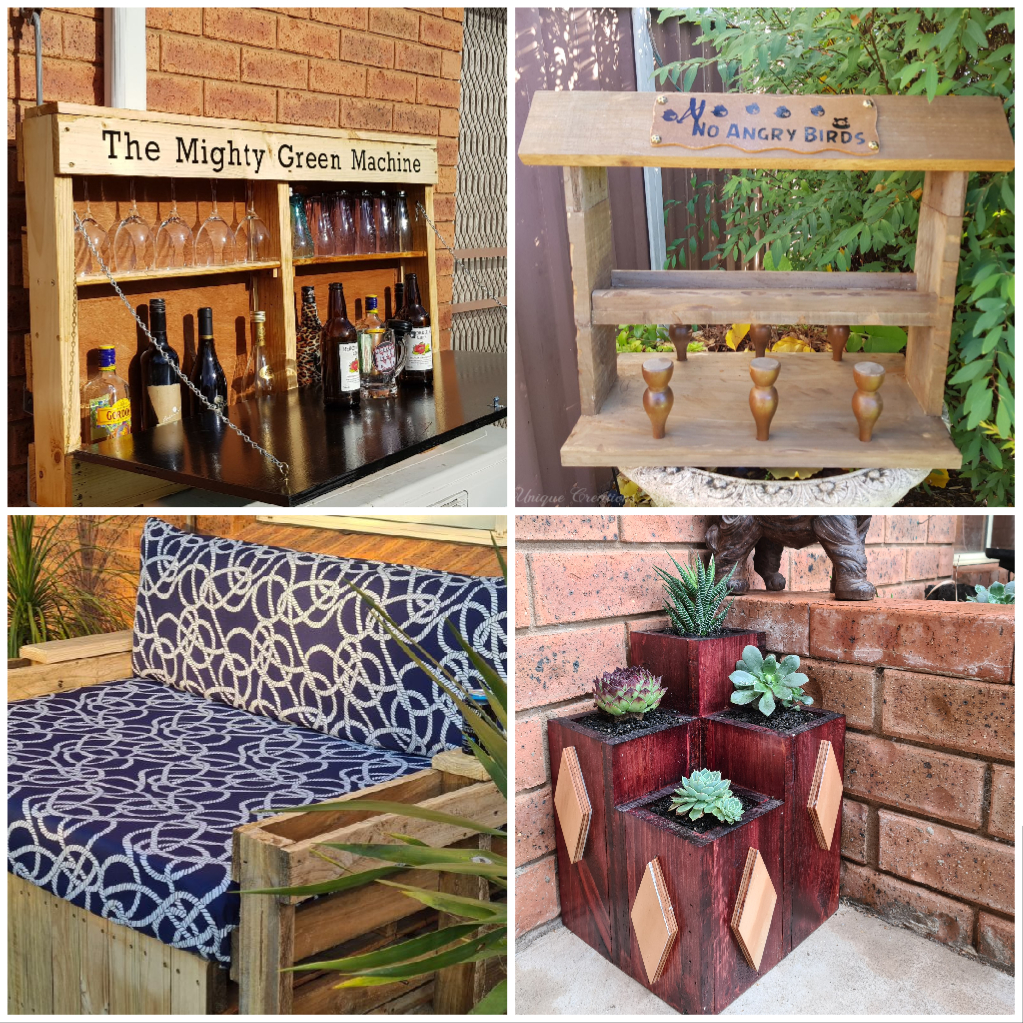
When it comes to free wood, pallets are always the first option people mention. Building companies, shops, and supermarkets often give them away. They’re ideal for rustic-style projects, though they can be difficult to dismantle. Luckily, pallet-breaking tools make the job easier.
Here are a few DIY projects I’ve made using pallets.
2. Facebook Marketplace
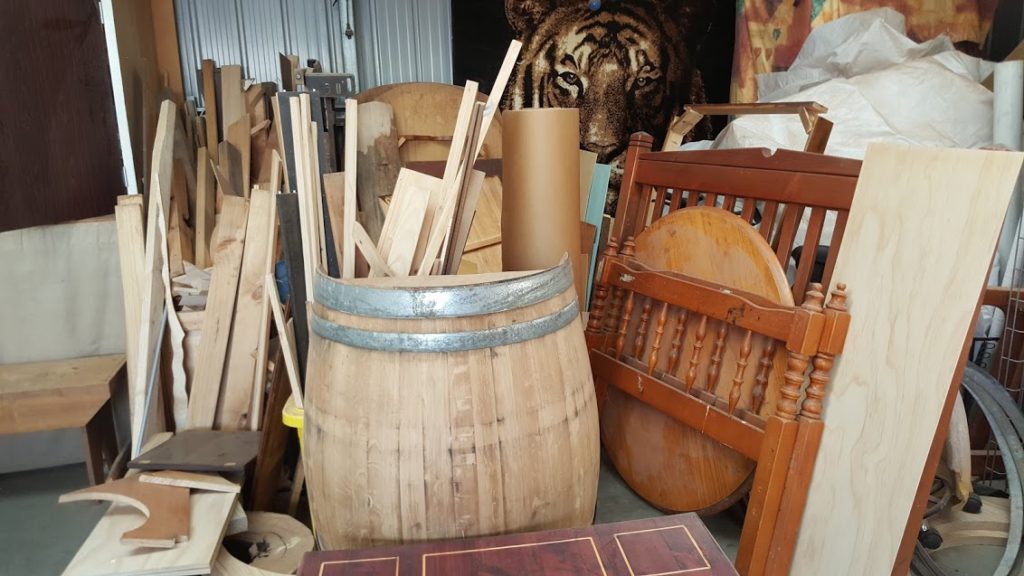
One of the easiest ways to start sourcing free materials is by posting on your local “Buy, Swap & Sell” group. I put up a simple ad asking for old, unwanted furniture.
I was shocked by the number of offers I received. Most people were just glad to get rid of things cluttering their shed. I took furniture in all conditions. Pieces that were too far gone were stripped for parts and timber. Nothing went to waste.
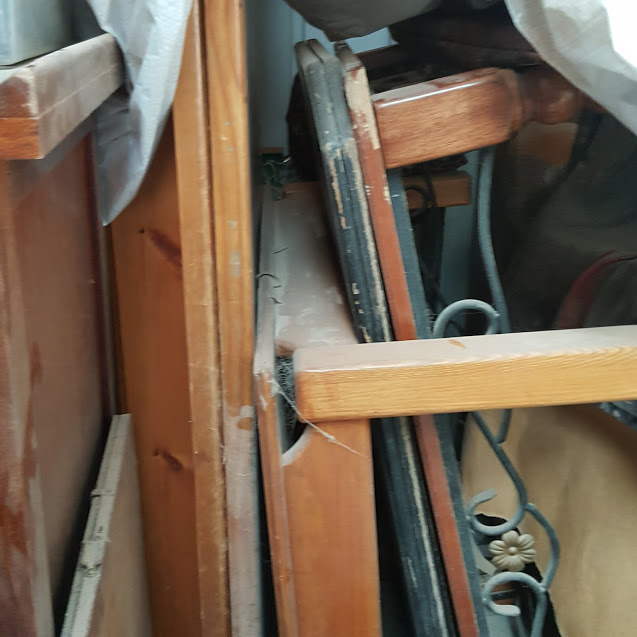
I often asked for tabletops, which gave me large, flat wood surfaces perfect for bigger projects. After sanding and ironing out dents, they were as good as new.
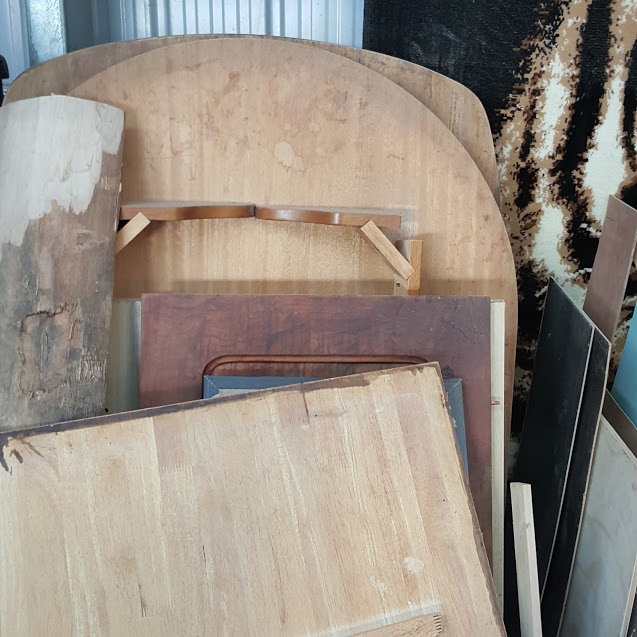
Soon, I had more tabletops than I could store. Now, I don’t even advertise—friends tag me in freebie posts or offer me their unwanted furniture.
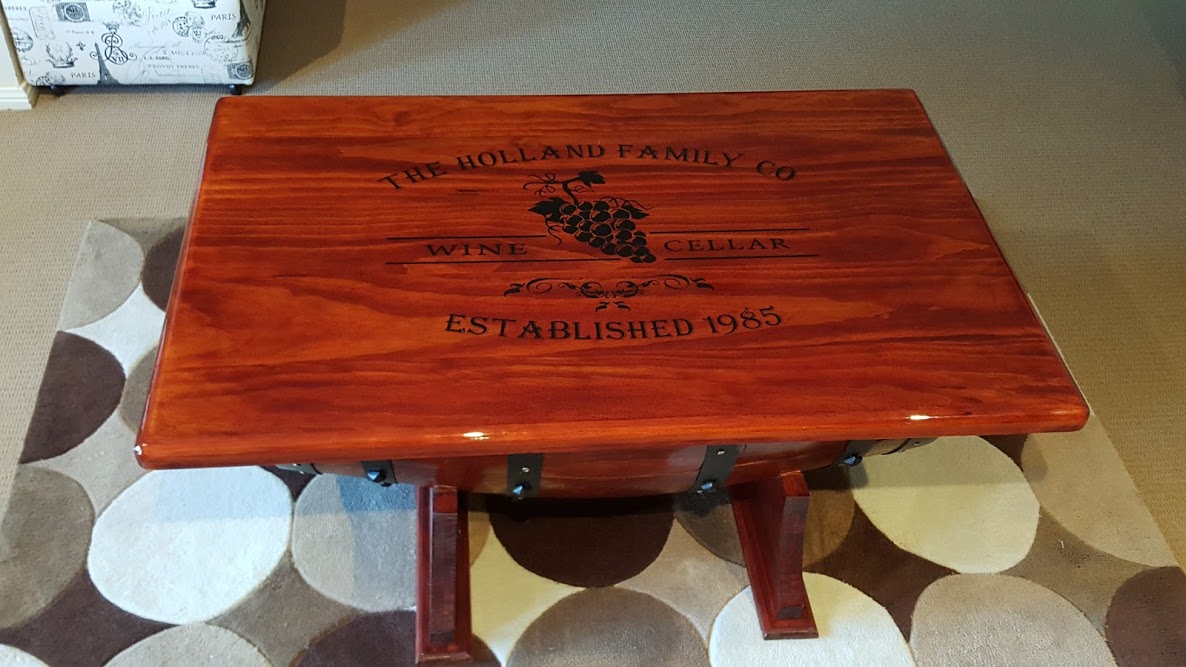
One of those tabletops became the top for this wine barrel table.
3. Strip Down Old Furniture
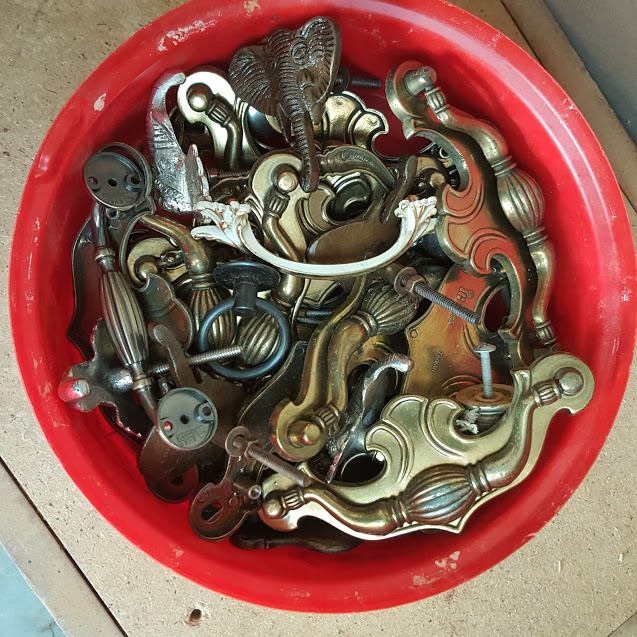
Never turn down broken furniture. You can salvage hinges, handles, drawer slides, screws, and plenty of usable wood.
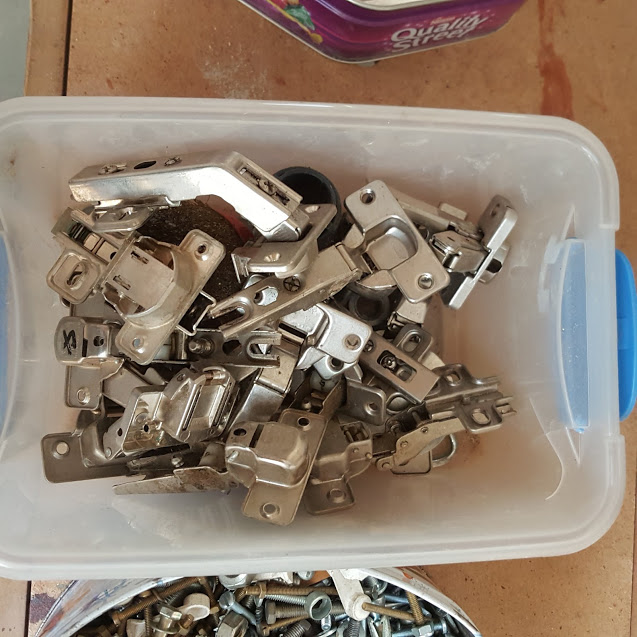
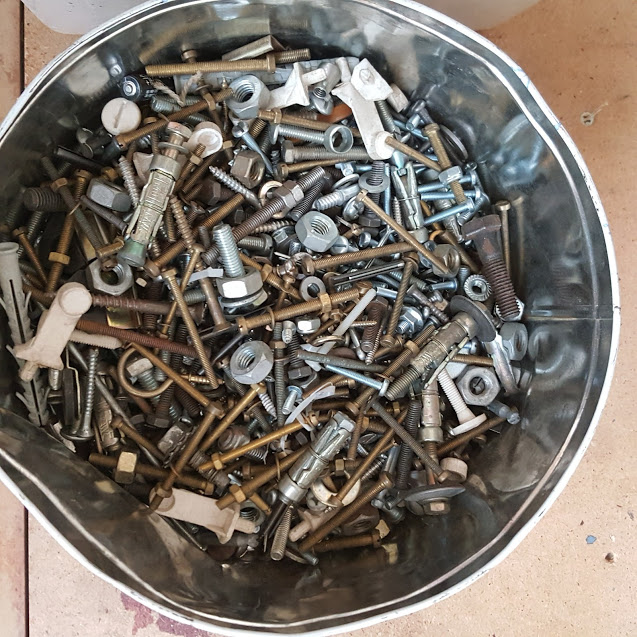
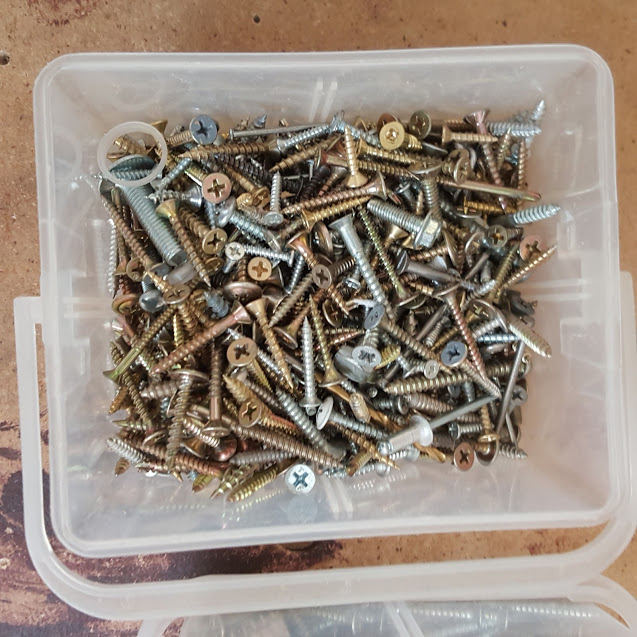
I store hardware in old Christmas chocolate tins, sorted by type. It saves me a lot of money on future builds.
MDF and plywood backing boards are useful, too—just trim off nail-damaged edges. Even small components can be repurposed, which makes DIY more sustainable and affordable.
4. Ask Around at Building Sites
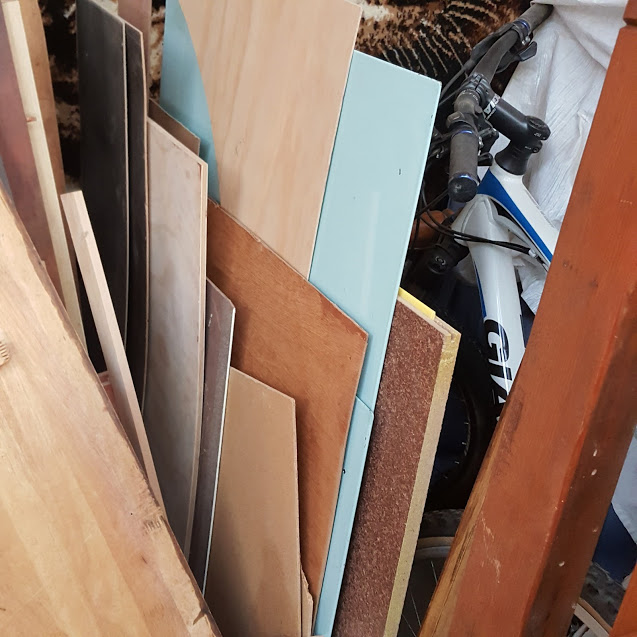
Thanks to my son working on a building site, I scored piles of leftover wood. Most builders throw out off-cuts because storage is limited and materials are pre-paid by clients. Just ask permission first!
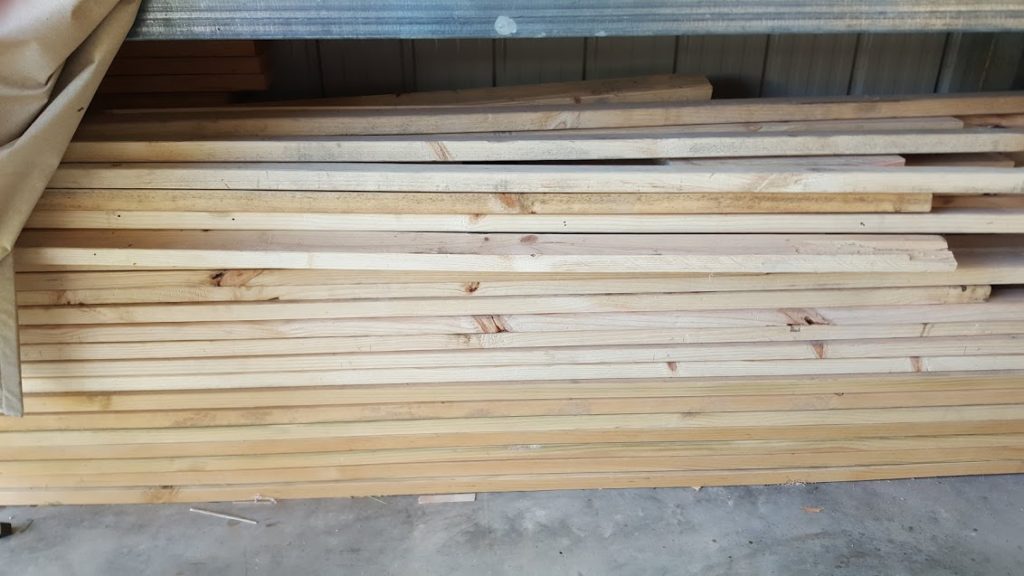
Some pieces had nails or were warped, but I removed nails and cut warped wood into usable sections. I even built a stud frame to cover a brick wall in my lounge using free timber from a site.
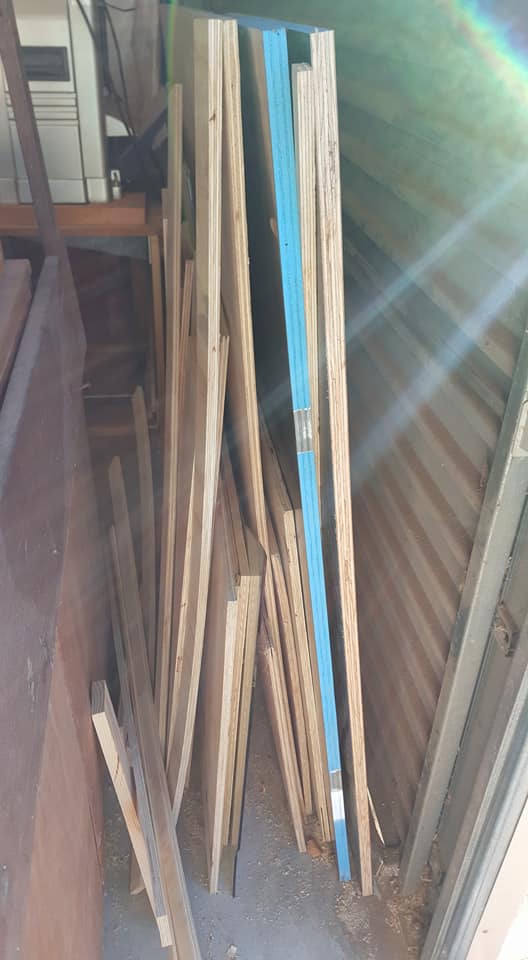
Plywood offcuts are often available too. I’ve collected full sheets of up to 2 metres. These work great as backings for mirrors and picture frames.
5. Recycled Furniture
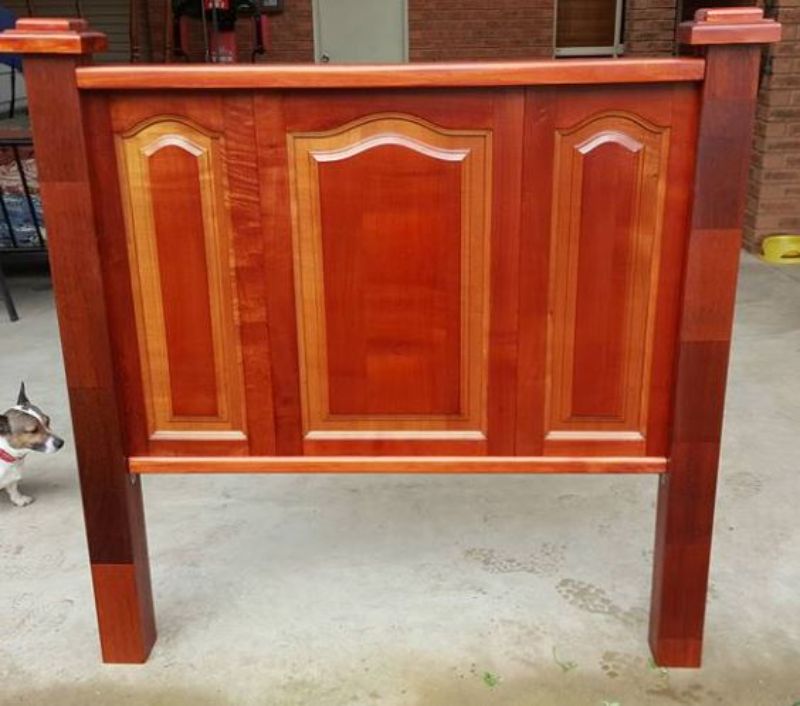
Old wooden doors are gold—large, solid, and full of character. I once got a bundle of doors from a kitchen renovation and turned them into a custom headboard.
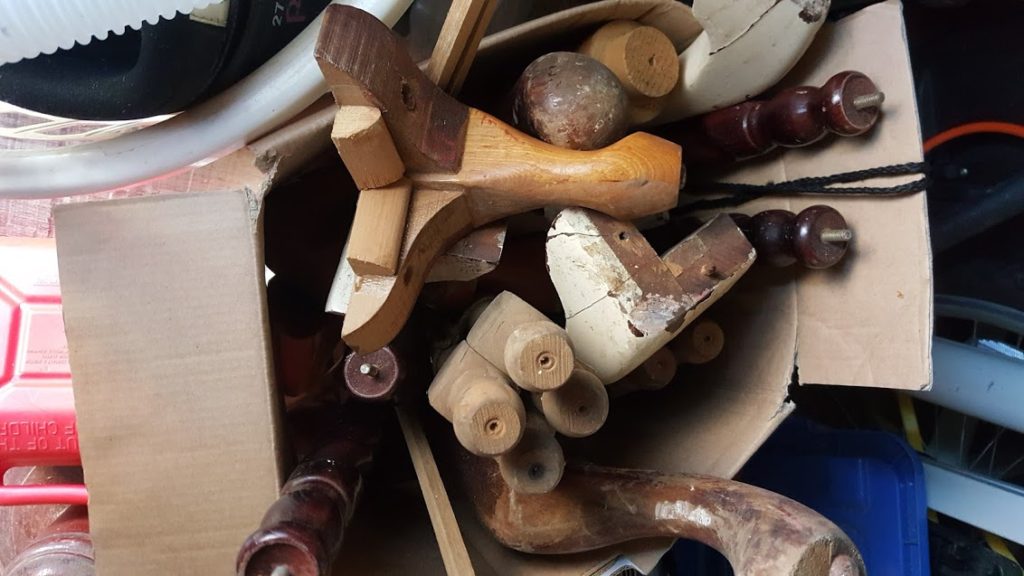
Furniture legs are another item worth keeping. They’re hard to find new, and expensive when you do. I keep legs from beds, dressers, and tables to reuse in future builds.
Even screws, nuts, and bolts get reused especially in places that won’t be visible.
6. Fallen Trees
One day, a local farm offered me timber from a fallen tree. I just had to collect it. Keep your eyes and ears open for similar chances.
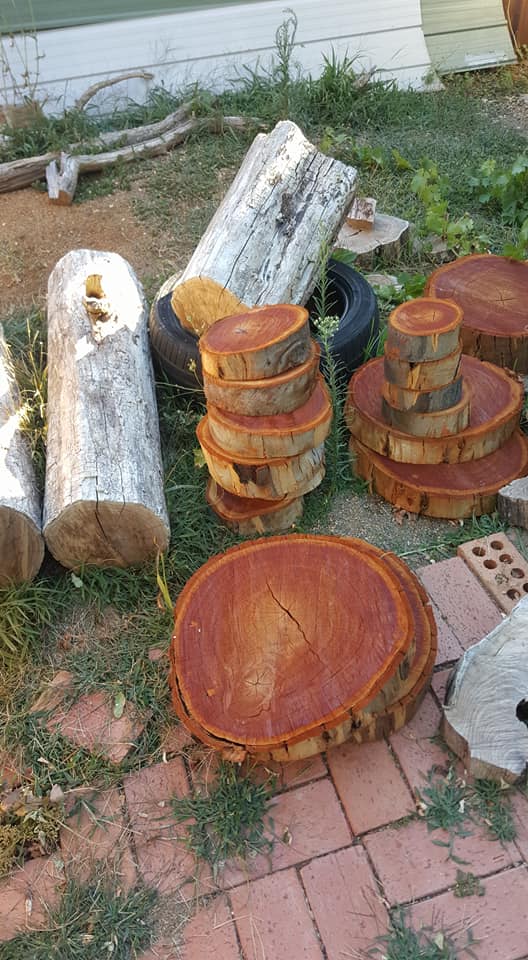
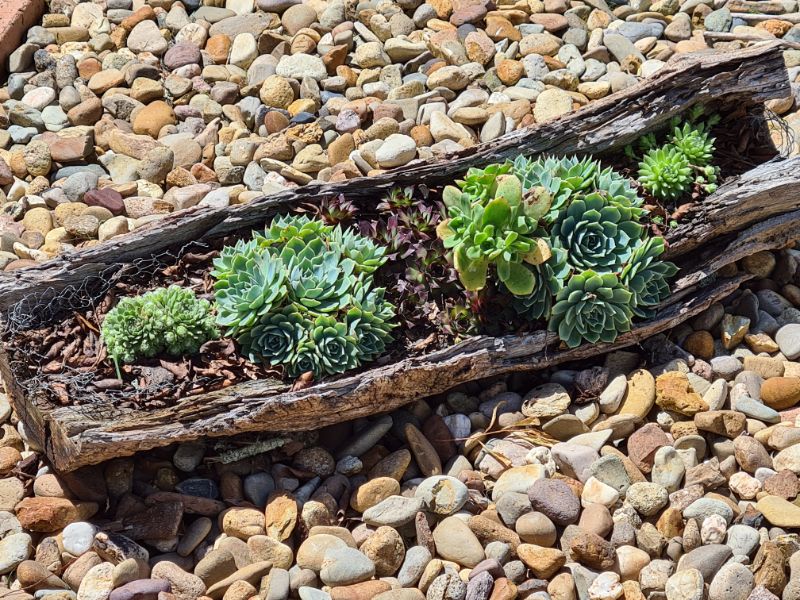
Tree trunks are great for rustic garden pieces or cutting into wood slices for home décor. For example, if you’re handy with a chainsaw, you can hollow them out to create succulent planters.
7. Offcuts of PVC Pipe
PVC pipe is now popular in crafts and DIY builds, thanks to Pinterest. I save all offcuts from plumbing jobs and building sites.
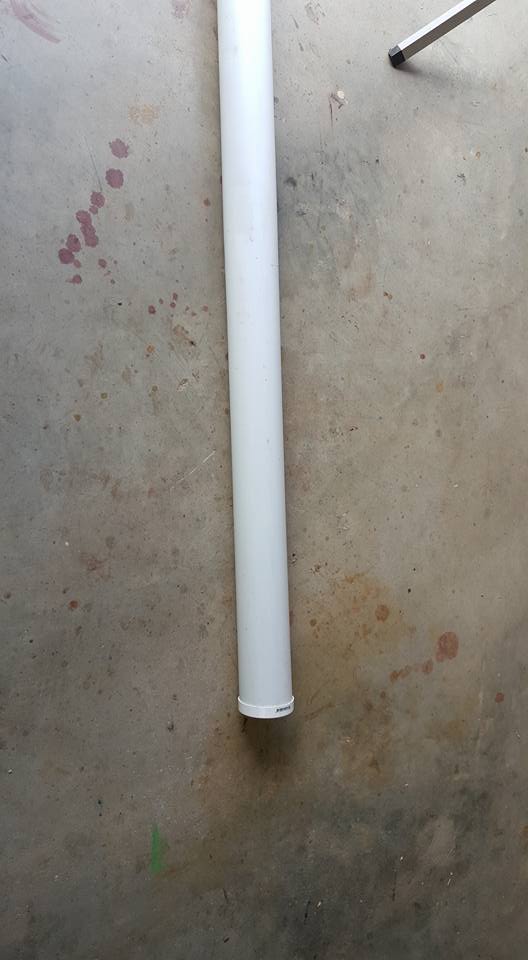
These photo planters were made from scrap PVC pieces. You can use them for a wide range of fun projects.

8. Free Foam and Padding
Foam can be expensive. I posted an ad looking for free or cheap mattresses. I wash, cut, and reuse them for cushions and pet beds.
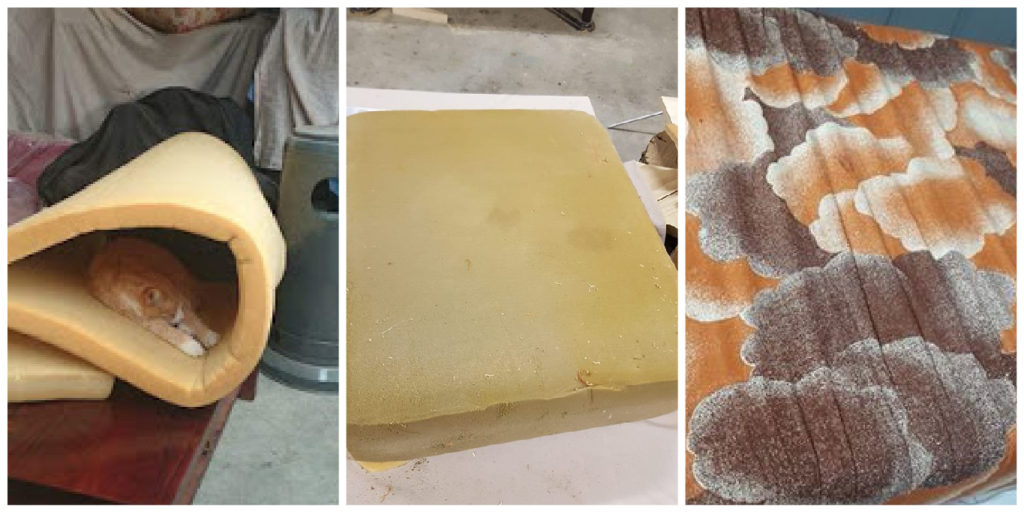
Old sofa cushions are made with high-density foam, which is great for upholstery. I wash them with a steam cleaner to make them like new.
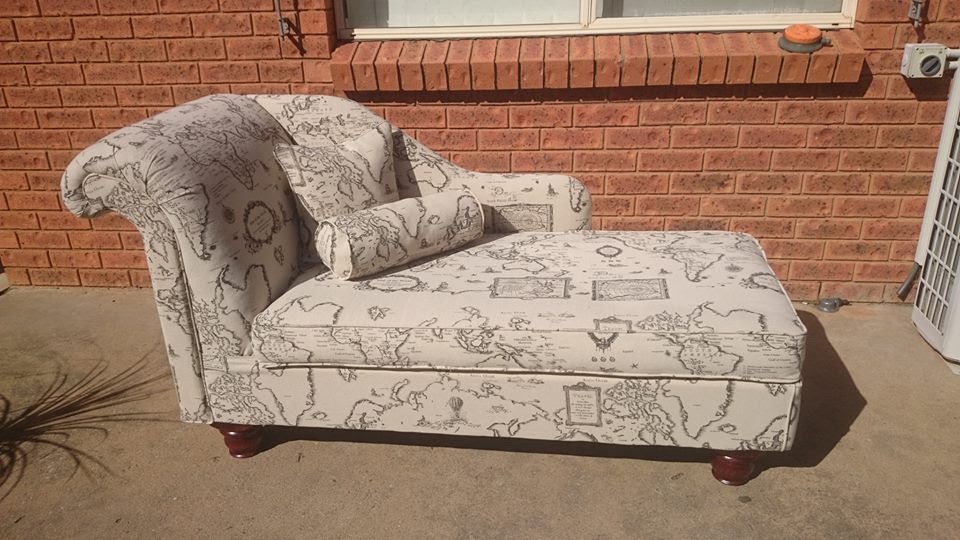
These materials were used in this custom-made chaise lounge.
9. Wood Mills
If you live near a timber mill, you might find they have a reject pile of offcuts you can take. These are great for rustic DIY projects or filler wood for hidden areas.
10. Repurpose Furniture
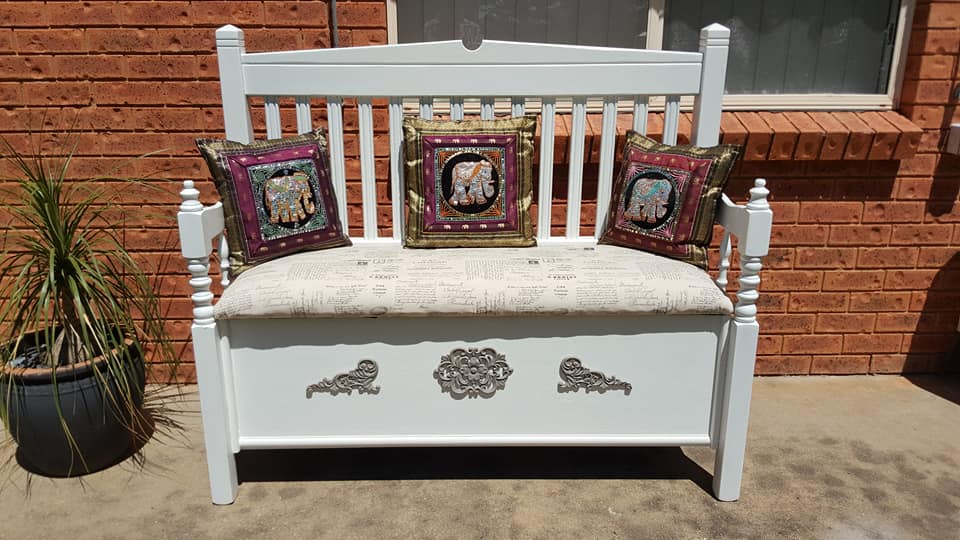
If an item can’t be restored, repurpose it. I’ve made countless projects by combining broken parts from multiple pieces.
Chalk paint is my go-to for covering imperfections. This bench was built from mismatched headboards and footboards using this method. Take a look at how I made this bench from recycled and repurposed furniture.
More Tips to Keep DIY Costs Low
Local Recycle Centres and Op Shops
Getting furniture from op shops is a smart and sustainable way to furnish your home or find pieces for your next DIY project. Not only is it budget-friendly, but it also helps reduce landfill waste by giving old furniture a second life. Many items in op shops are solid, well-made pieces that simply need a little cleaning or a creative revamp. You’ll often find unique styles and vintage gems that aren’t available in mainstream stores.
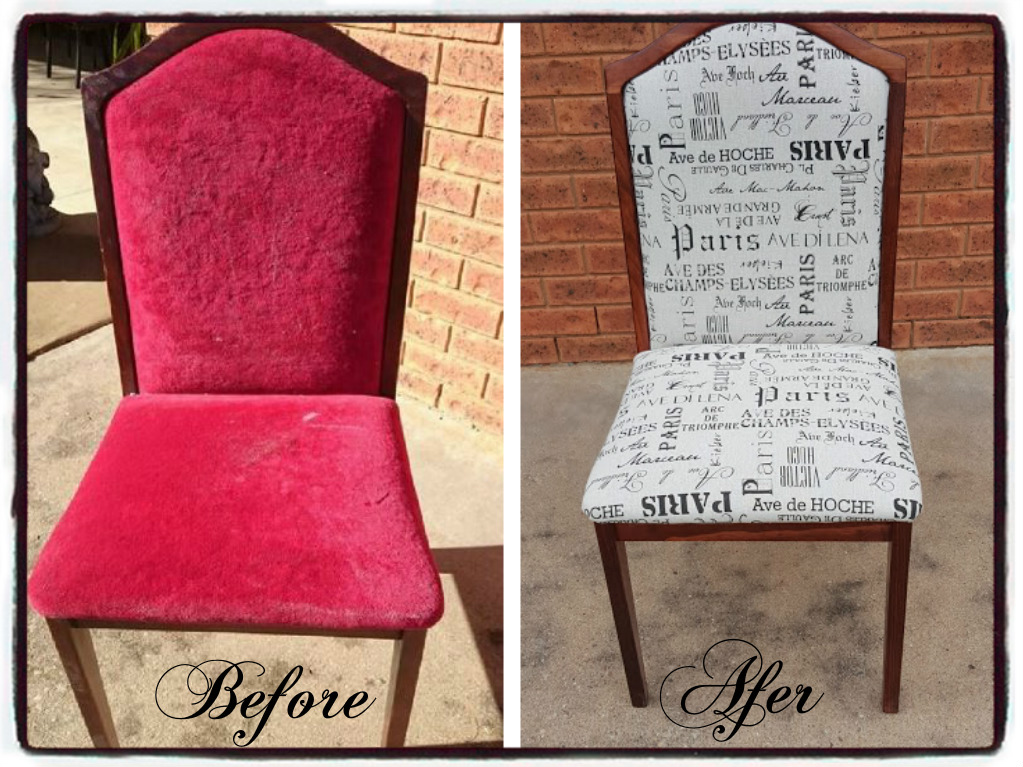
I found four dining chairs at a local recycling shop for $5 each. After a quick revamp, I sold them individually as bedroom feature chairs for $60. That’s a $40 profit per chair!
Buy in Bulk
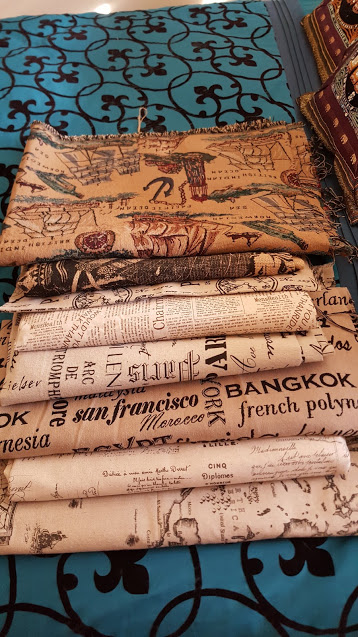
I buy most of my fabrics and supplies in bulk from China. Shipping times have improved and bulk buying saves a fortune. I choose neutral colours for fabrics, often repurposing king-sized bed sheets from thrift shops as upholstery lining.
Save All Your Scraps
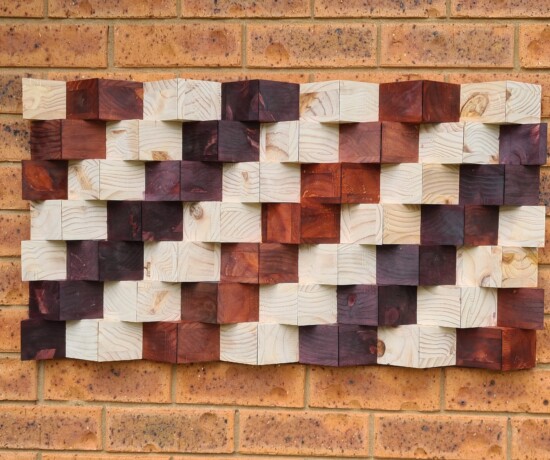
I keep all small wood scraps in a bin beside my saw. These become wall art or other creative home pieces. Nothing is wasted.

Must-Have Equipment
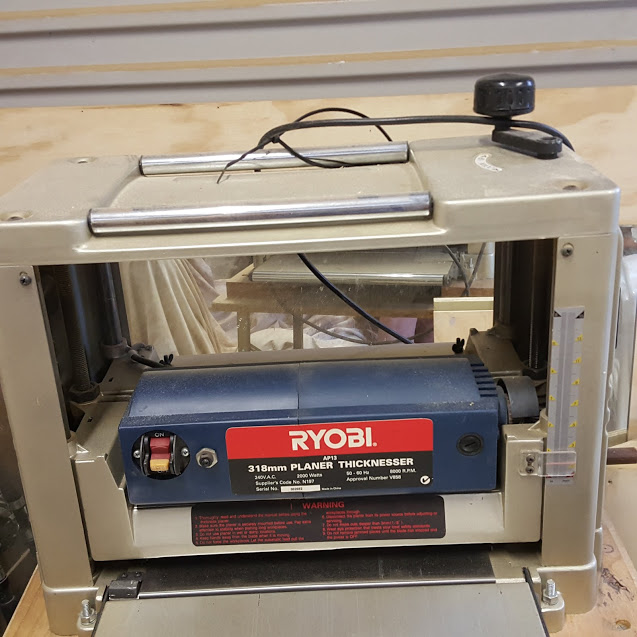
A wood planer is a worthwhile investment if you’re working with recycled timber. To begin with, it saves you hours of manual sanding by quickly smoothing rough or uneven surfaces. Additionally, it helps bring old, weathered timber back to life by revealing clean, fresh wood beneath. This not only improves the look of your projects but also ensures better joinery and finishing. Unlike sanding alone, a planer gives you consistent thickness across all boards, making your builds more precise. In the long run, it reduces waste too, since you can salvage and reuse more timber that might otherwise be tossed.
There are over 200 DIY tutorials on my website, most using free or recycled materials. Scroll through for woodworking tips, repurposing ideas, and plenty of inspiration.

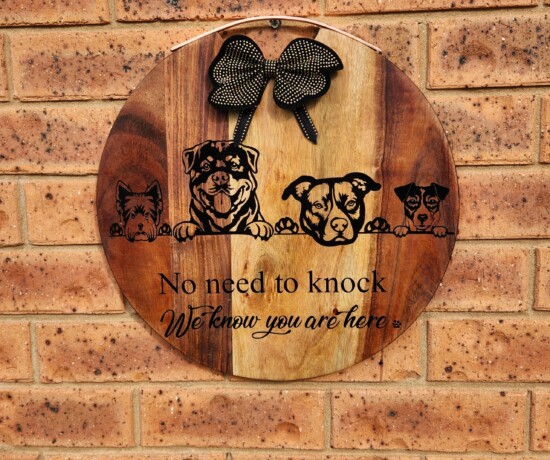
If you’d like to find any of the items used in this project, we’d greatly appreciate it if you used our affiliate links. These links provide us with a small commission at no extra cost to you, allowing us to continue creating and sharing more inspiring projects. We’d also love to hear your thoughts—feel free to leave a comment or share this post!

8 Comments
Tiffany
March 4, 2018 at 1:44 pmGreat ideas, thank you!
Anita Holland
March 5, 2018 at 9:32 amThank you, they work great for me.Keeps my hobby cheap.
Paulette
September 2, 2018 at 6:08 pmAnita, these are all such terrific ideas. Thank you for sharing them. I love how you are keeping all this useful material out of the landfill. I wouldn’t have thought of using twine inside my piping especially when its colour won’t show through the fabric. I buy most of my project findings from AliExpress now but I have found that they are lacking in the fabric department. It seems they only sell off cuts since anything leastwise interesting is very narrow – like 18″ wide or otherwise no real bargain.
So, I have been scouring Alibaba for fabric to make slip covers for 4 sofas and drapes for about 80′ of floor to ceiling window treatments. The quality of the fabric is a real concern, especially for items where you can’t order a yard as a sample before committing to a huge project. I also wonder what it will smell like when it gets here. I have bought made-in-China tights from a retail chain that smelled like a petroleum product of some sort that took a lot of laundering before being suitable for wearing. Then there are the made-in-China flip flops that stunk up the mud room so badly I wondered if some critter had come in and died.
Do you have any other sources or tips to share for acquiring fabric for large projects without having to spring for 1000 yards? In the meantime, I continue my search on Alibaba in the hope of the perfect find.
I also see things on the side of the road and think, “I could fix that.” or, “I could make a such and such out of that”. Or, if it’s beyond redemption, scavenge the hardware. People throw away too much stuff.
Anita Holland
September 3, 2018 at 8:35 amHi Paulette, I buy most of the things I need for my projects from Wish, Aliexpress. Most of my projects are fairly small so I have never needed large amounts. So aliexpress are great for me. They have the same fabrics as Alibaba just they sell them in small quantities and they also do a lot of free shipping.
I hope this is some help.
Kind regards
Anita
Shelly Dehart
October 19, 2018 at 1:24 pmHi, I saw ur idea on Hometalk n was really amazed at what a beautyful job u did on that dresser n mirror. I continue to read how u got started doing what u do n again I’m amazed n so proud of u. I love working with wood also but I dabble in more of refinishing antiques mostly furniture n there r times I have to repair some of the pieces. I have saved knobs, handle pulls, hingdes, screws u name it it does come in handy. I wish I could be more like u but I just don’t have the storage spaces like u. Yes I probably could get a big storage shed but I don’t have s place to put it on my property. I have plenty of tools to use for example my nail gun, a chop saw, skill saw my battery power drill n all kinds of sanders what I would love to get is a table saw. Saving up for that one.
I just had to tell u once again how much I admire u n continue to do ur thing. U go girl.
Girl Power to u. My best regards, Shelly Dehart
Anita Holland
October 23, 2018 at 4:26 amThank you Shelly, it is such a great way to run my hobby. My costs are next to nothing because I have all the tools and all the wood is free. If I try a project that I have in mind and it does not work out how I wanted, I just repurpose it into something else. Because you are working with scrap materials that you don’t pay for, you take more chances and learn new skills as you go along.
Jennifer
March 12, 2021 at 5:26 pmThat is really impressive what you’re doing, I don’t work with that much wood, but one thing I have noticed is hard to come by is those big cable spools. There are lots of cool projects to be made with those…I wish I could find one! Also, kudos to you for keeping those metal parts, I do that too, as I never know when one of those is going to come in handy! I inherited antique furniture from my grandmother and those pull knobs and handles from back then are better that what I see today.
Anita Holland
March 13, 2021 at 2:23 pmThank you so much Jennifer, I try and do all my projects from recycled materials. It makes my projects more fun to make.